Bexora
Bexora
Bexora
Explore high-performance computing components, high-density server rack setups, and advanced optical switches designed for cloud security scalability.
In an era defined by massive digital transformations, cloud-native deployments, and the explosive rise of Artificial Intelligence (AI) and Machine Learning (ML) workloads, network security is no longer an afterthought. It is the foundational substrate of the modern enterprise. Network security equipment has transitioned from basic stateful packet filters to highly intelligent, hardware-accelerated appliances capable of Deep Packet Inspection (DPI), TLS decryption at line speed, and real-time behavioral analysis.
Globally, the market for network security equipment is experiencing a massive shift. Historically dominated by dedicated firewall appliances, today's landscape requires deep integration between cybersecurity mechanisms and physical computing platforms. The deployment of AI models like DeepSeek, LLaMA, and custom enterprise LLMs requires high-density server configurations protected by strict physical and cryptographic security layers. Furthermore, hardware interfaces must adapt to handle complex encryption loads without causing latency bottlenecks in the GPU cluster.
“Modern security teams are shifting away from software-only security layers, realizing that high-throughput data pipelines demand hardware-level offloading, hardware root-of-trust, and robust silicon-level validation.”
As security architects assess the global landscape of manufacturers and suppliers, five macro-trends shape purchasing decisions and technology roadmaps:
Pioneering High-Performance Compute Infrastructure and Secure Network Hardware Solutions
Bexora AI Systems (China) Co., Ltd. stands at the intersection of AI hardware innovation and secure network infrastructure. Serving as a professional AI GPU server, hardware storage, and computing architecture manufacturer, Bexora specializes in developing highly optimized and scalable infrastructure. With over 12 years of industry experience and 7 years of global export experience, Bexora delivers resilient enterprise hardware to AI startups, cloud service providers, prestigious research institutions, and large-scale data centers in North America, Europe, Southeast Asia, and the Middle East.
Bexora maintains a robust ecosystem with over 860 supply chain partners, facilitating seamless GPU sourcing, high-density chassis manufacturing, premium network interfaces, and advanced liquid cooling configurations. The company's in-house capabilities encompass advanced GPU cluster thermal simulation, high-density design optimization, firmware-level security hardening, and OEM/ODM customization options tailored to global regulations.
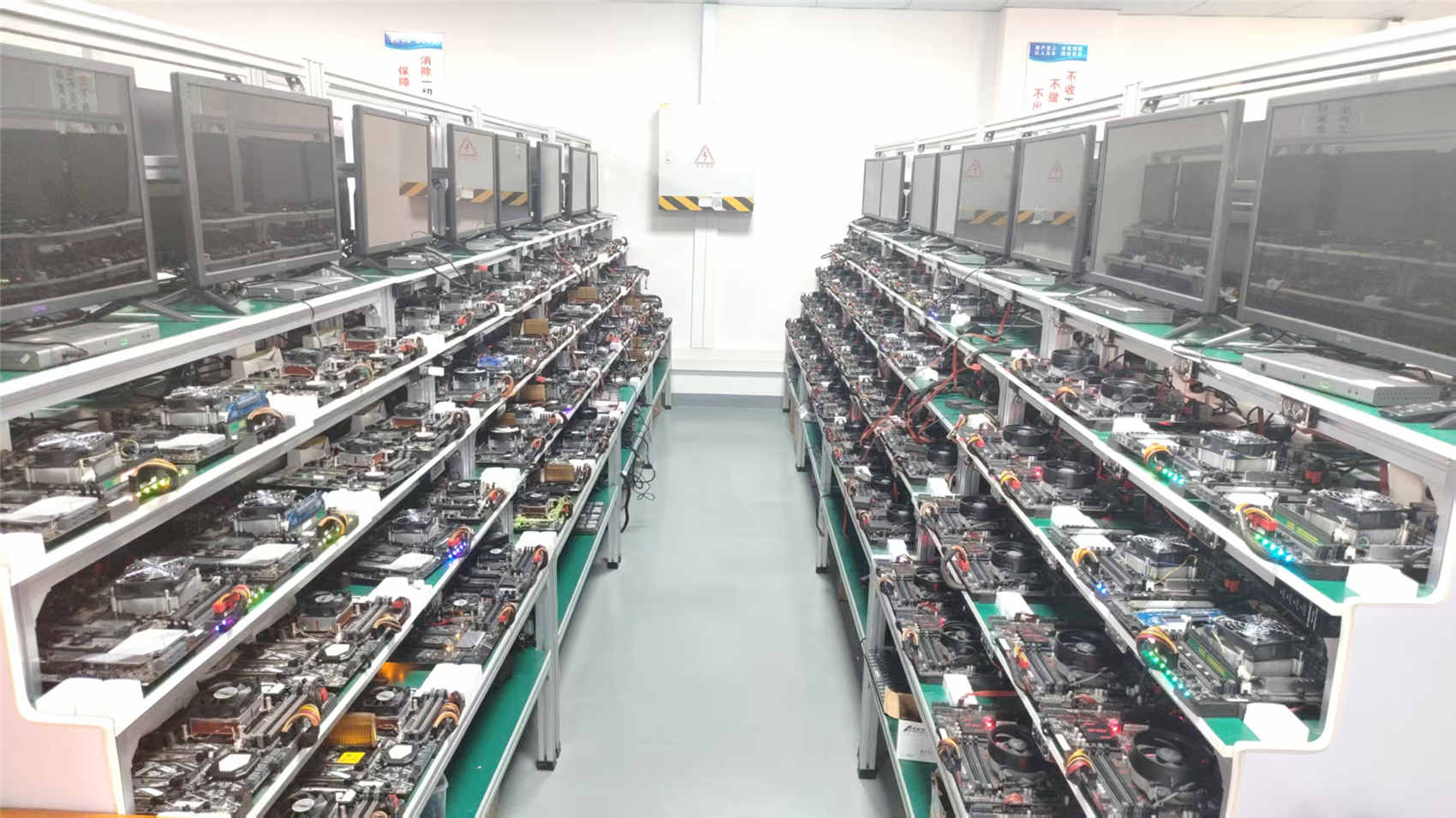
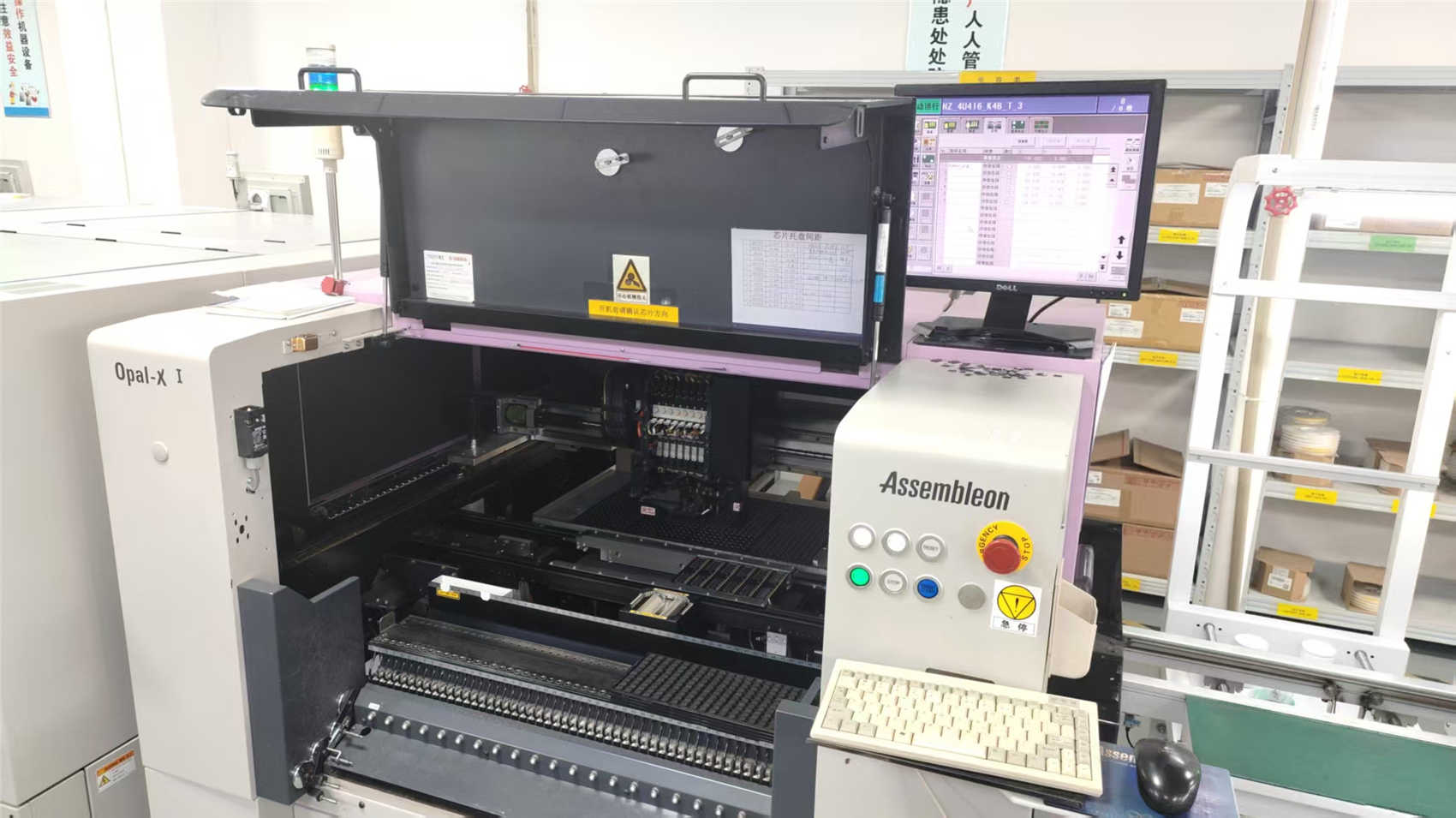
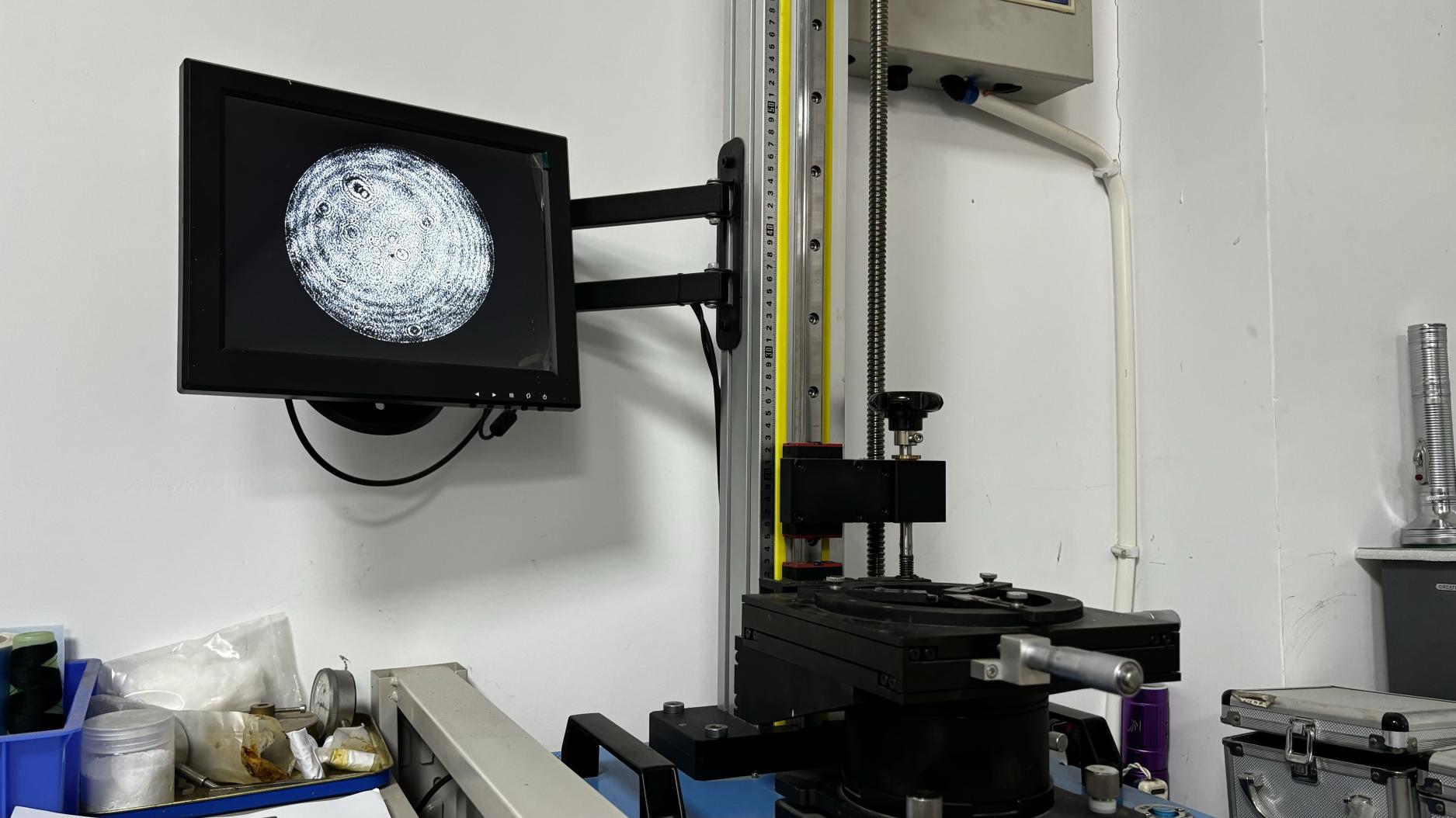
Strict Quality Inspection Standards: To support heavy-duty enterprise and AI workloads, Bexora conducts 100% full inspection combined with random sampling reliability testing. Verification processes include burn-in testing, thermal stress chamber testing, automated optical inspection (AOI), firmware validation, and full system AI workload simulations to guarantee long-term stability.
An in-depth analysis of the world's leading network security hardware vendors based on throughput, technological innovations, and integration capabilities.
A global pioneer in network routing and switching, Cisco provides comprehensive security hardware through its Firepower and Secure Firewall series. Cisco excels in high-throughput enterprise backbones, integrating AI-driven threat intelligence directly into custom silicon architecture.
Palo Alto Networks set the industry standard for Next-Generation Firewalls (NGFW). Their PA-Series appliances offer deep application visibility, intrusion prevention, and advanced decryptions. By leveraging machine learning in their inline inspection systems, they prevent zero-day attacks in real time.
Known for exceptional price-performance metrics, Fortinet designs custom security processing units (SPUs/ASICs) that allow FortiGate firewalls to deliver record-breaking SSL inspection throughput and SD-WAN capabilities without choking throughput.
Check Point Quantum Security Gateways focus on ultimate protection. They specialize in high-grade threat prevention and sandboxing technologies, keeping critical infrastructure safe from ultra-sophisticated Gen V cyberattacks.
Bexora bridges the gap between hardware compute scaling and infrastructure-level network security. With customized server architectures, security-focused server designs, and strict supply chain verification, Bexora provides the secure hardware foundations necessary to protect massive AI computing clusters and private enterprise data operations.
With their SRX Series Service Gateways, Juniper combines routing, switching, and advanced next-generation security capabilities. Utilizing Mist AI, Juniper simplifies deployment, offering highly automated network threat intelligence across large multi-site enterprises.
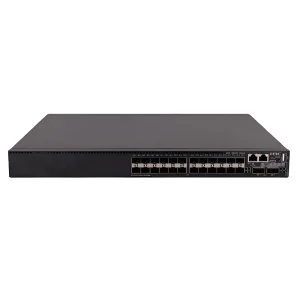
H3C manufactures advanced high-capacity routing, switching, and multi-tenant security appliances. The H3C S6520X optical switches and security systems provide robust layer-3 network virtualization, essential for keeping multi-tenant data center environments isolated and protected.
Huawei’s USG series firewalls and NetEngine routers offer high-performance security for telecom carriers and cloud provider backbones. They are heavily invested in introducing AI-powered proactive detection capabilities directly into hardware pipelines.
F5 is the industry leader in Application Delivery Controllers (ADCs) and Web Application Firewalls (WAF). F5's BIG-IP platform provides robust layer 7 traffic management, DDoS mitigation, and SSL decryption capabilities for application-level protection.
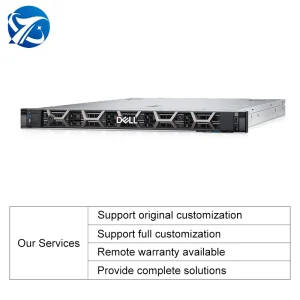
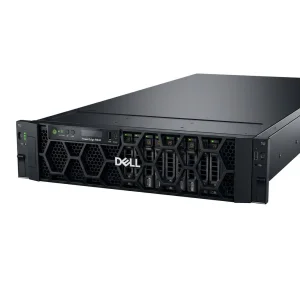
Providing the critical server infrastructure behind modern network security tools, Dell (PowerEdge series) and HPE (ProLiant series) focus heavily on silicon root of trust, hardware secure boot, and iLO/iDRAC threat isolation mechanisms to ensure the hosting platform remains uncompromised.
Optimizing hardware configurations to meet specialized compliance, performance, and operational constraints across distinct industries.
Requires ultra-low latency, PCI-DSS compliance, and real-time transaction decryption. Solution layout relies on dedicated hardware security modules (HSMs) combined with high-performance 10G/40GE core optical switches supporting micro-segmentation to isolate core ledgers.
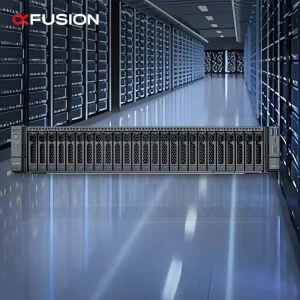
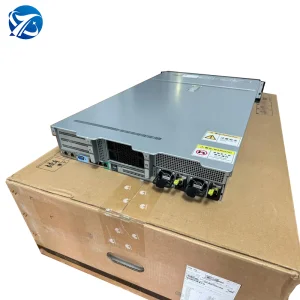
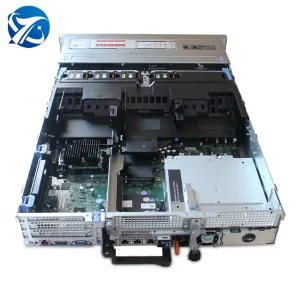
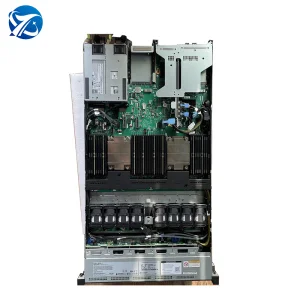
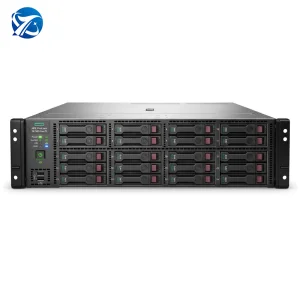
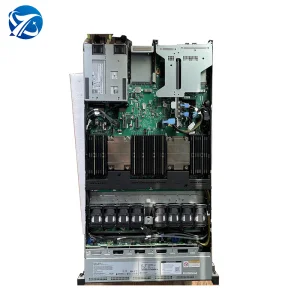
Requires maximum bandwidth, minimal interference, and prevention of lateral threat movements within cloud nodes. Deployments use secure, high-density multi-socket servers with specialized RAID arrays and dual-socket CPU options to sustain extreme data parsing rates safely.
Demands rugged hardware environments capable of operating within wide temperature ranges. Focuses on isolating legacy Operational Technology (OT) networks from the corporate Information Technology (IT) backbone to thwart industrial ransomware.
The boundary between pure computing power and security routing continues to blur. Over the next five years, several emerging technologies will rewrite the design requirements for network security equipment:
As quantum computing approaches operational readiness, traditional RSA and ECC decryption schemes will become vulnerable. Hardware manufacturers are actively developing and testing crypto-agile processors that can execute NIST-standardized post-quantum algorithms without degrading network performance.
While current firewalls use ASICs for pattern matching, the future lies in dedicated FPUs designed to run small, specialized neural networks inline at 400 Gbps. These units will evaluate flow behavior on the fly, spotting anomalies that traditional signature-based detectors miss entirely.
Confidential computing ensures that data in use is encrypted in memory. Security server designs are increasingly incorporating technologies like AMD SEV-SNP and Intel SGX/TDX to ensure that even if the host hypervisor is compromised, client data remains securely locked away from prying eyes.
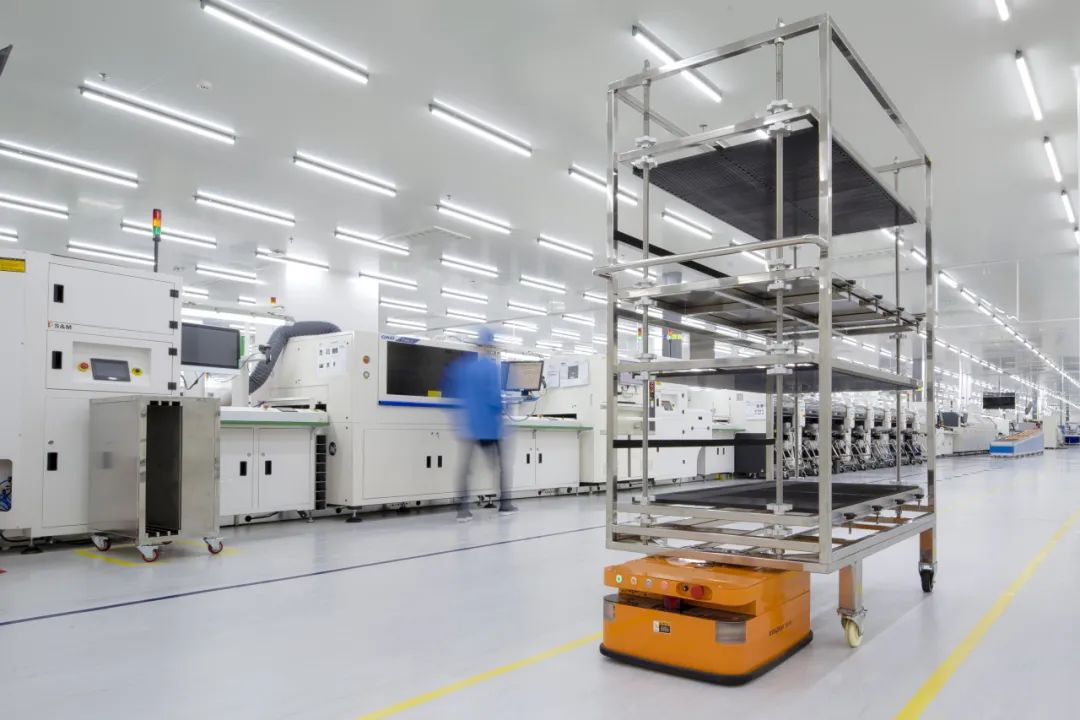
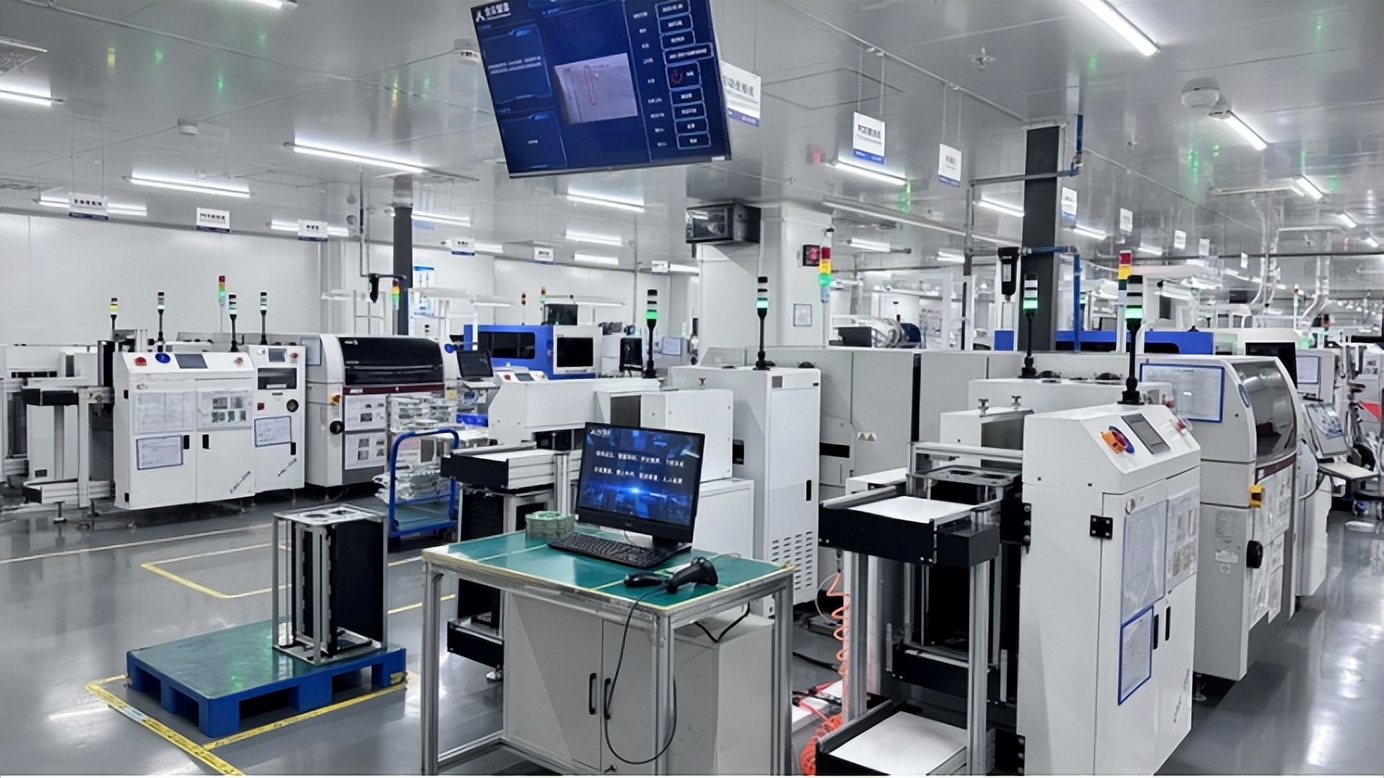
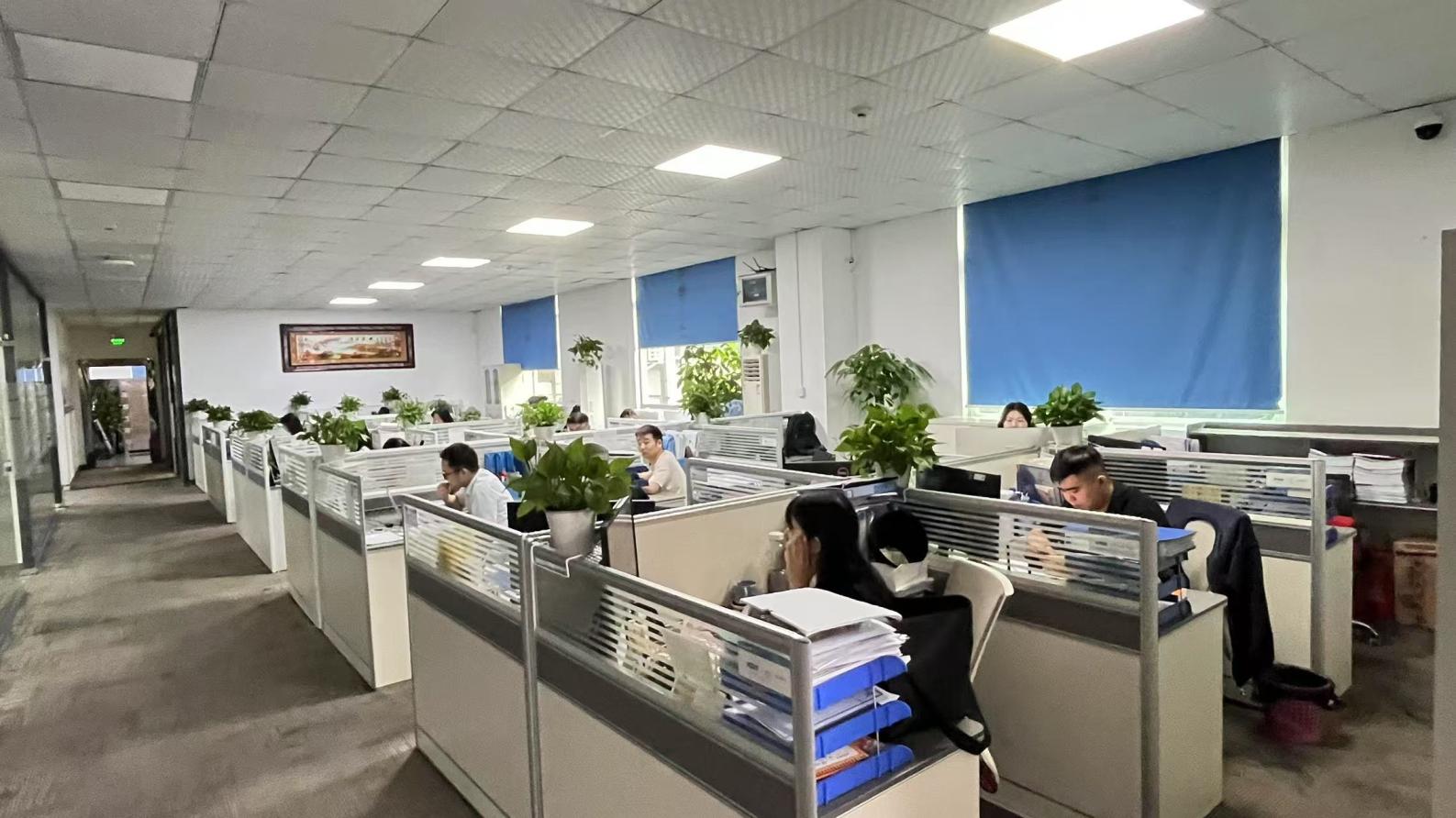
Step inside our 18,600㎡ high-tech production line, system integration workshops, and quality control laboratories.


Addressing core technical questions from procurement officers, IT architects, and security operations managers.
Standard CPUs are designed for general-purpose serial processing. Network security tasks, such as pattern matching, packet header inspection, and SSL/TLS decryption, involve repetitive, highly parallel math operations. Dedicated ASICs (Application-Specific Integrated Circuits) are hardwired for these tasks, offering orders of magnitude higher throughput, lower latency, and significantly lower power consumption under heavy traffic loads.
Silicon Root of Trust is an anchor security system built directly into the server or firewall motherboard chip. During the boot process, it verifies that the BIOS, UEFI, and OS firmware signatures are genuine and have not been modified by malware. This prevents attackers from installing persistent rootkits at the hardware level, protecting the system from boot-time tampering.
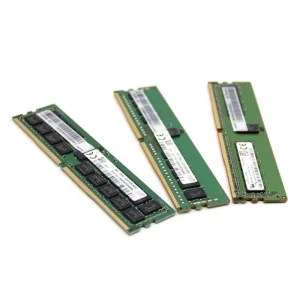
Advanced servers utilize PCIe Gen 4.0/5.0 interfaces and high-speed memory buses (like DDR4/DDR5 ECC RDIMMs) to eliminate network bottlenecks. They integrate hardware-level virtualization, strict cryptographically signed firmware, and sophisticated RAID cache systems (like the 9560-8i Tri-Mode controller) to ensure compute operations remain continuous and isolated from external attack vectors.
At Bexora, we implement a rigorous quality inspection protocol comprising 100% full inspection alongside random reliability sampling. Every unit undergoes automated optical inspection (AOI), thermal stress testing inside environmental chambers, firmware validation checks, and full system simulated workloads. This prevents component infant mortality and ensures thermal systems can sustain heavy compute profiles over their lifespan.
Enterprise procurement must ensure the supplier's hardware supports open standards (like IPSec, OpenFlow, and standard 802.1Q VLANs) while also aligning with region-specific encryption standards (such as FIPS 140-3 in the US or OSCCA SM2/SM3/SM4 algorithms in China). Selecting suppliers with robust OEM/ODM firmware customization capabilities allows local software stacks to be layered securely onto standardized hardware modules.
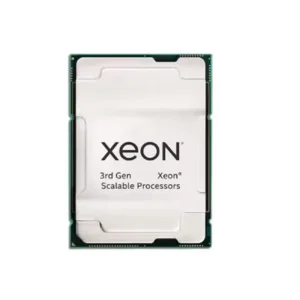
Explore high-performance storage expansion modules, server processing CPUs, and AI-optimized data center compute units.