Bexora
Bexora
Bexora
As artificial intelligence clusters, cloud ecosystems, and high-performance computing (HPC) scale exponentially, thermal management has transitioned from a supporting utility to the primary bottleneck of structural computation density.
The compute power needed for massive LLMs, such as DeepSeek, GPT architectures, and complex AI reinforcement learning platforms, has pushed single-chip Thermal Design Power (TDP) over 700W to 1000W+. Conventional air-cooling systems cannot dissipate this heat flux efficiently within standard rack spaces.
Energy regulations in North America, the EU, and China mandate strict Power Usage Effectiveness (PUE) limits (typically <1.25 or even <1.15 in tier-1 metropolitan zones). Data center operators must upgrade to liquid-assisted loops, direct-to-chip (D2C) systems, or total immersion cooling to survive regulatory enforcement.
The global server cooling systems market is projected to grow at a CAGR of over 22%, driven by hyperscalers, edge infrastructure providers, and high-density colocation facilities. Integrated thermal solutions are now procured directly alongside high-performance servers during deployment planning.
To understand where high-performance hardware architecture is heading, we must look closely at the shift in heat transfer mediums. The physical limit of air cooling is approximately 35-40 kW per rack under optimal environmental conditions. As AI compute clusters reach 100 kW to 300 kW per rack, the industry is witnessing a fast-paced evolution towards liquid and hybrid technologies:
Direct-to-Chip cooling delivers a dielectric or treated water-glycol solution directly to high-heat components (CPUs, GPUs). Closed-loop microchannel cold plates absorb thermal energy instantly, bypassing the structural bottlenecks of heat sinks. This approach allows existing air-cooled data centers to retrofit hybrid systems without overhauling their entire physical infrastructure.
By completely submerging server components in specialized, non-conductive dielectric fluid, immersion systems eliminate the need for fans, copper pipes, and heavy thermal blocks.
Single-Phase: Fluid is circulated via pumps and cooled through heat exchangers.
Two-Phase: Fluid boils at low temperatures, changes to vapor, condenses on a cold plate, and drips back down—yielding unmatched efficiency metrics (PUE near 1.02).
Representing the peak of manufacturing integration in the global AI hardware landscape: Bexora AI Systems (China) Co., Ltd.
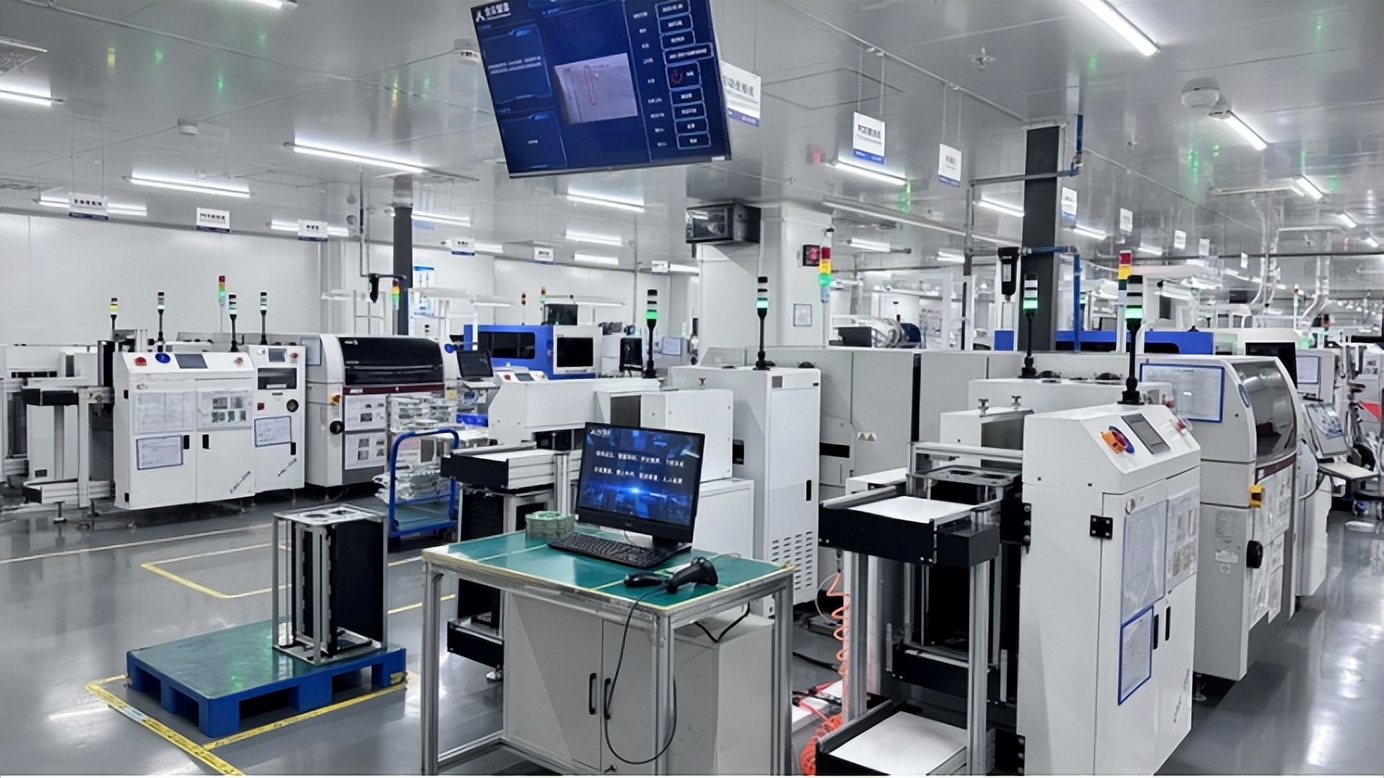
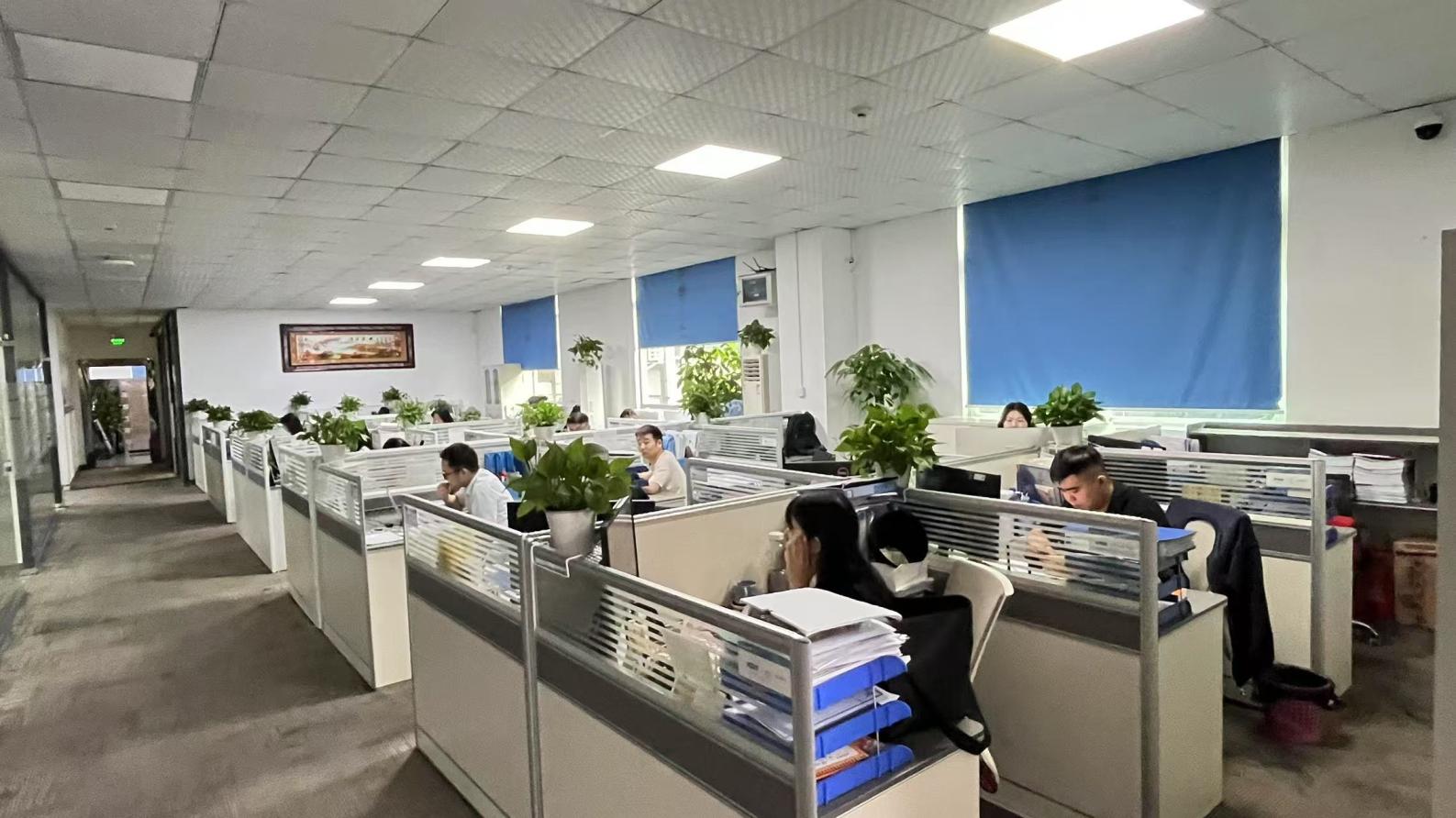
Bexora is a professional AI GPU server and high-performance computing infrastructure manufacturer based in China, specializing in scalable compute systems for AI training, inference, and data center deployment. With 12 years of industry experience and 7 years of global export presence, Bexora supports complex OEM/ODM projects tailored to thermal layouts and rack limits.
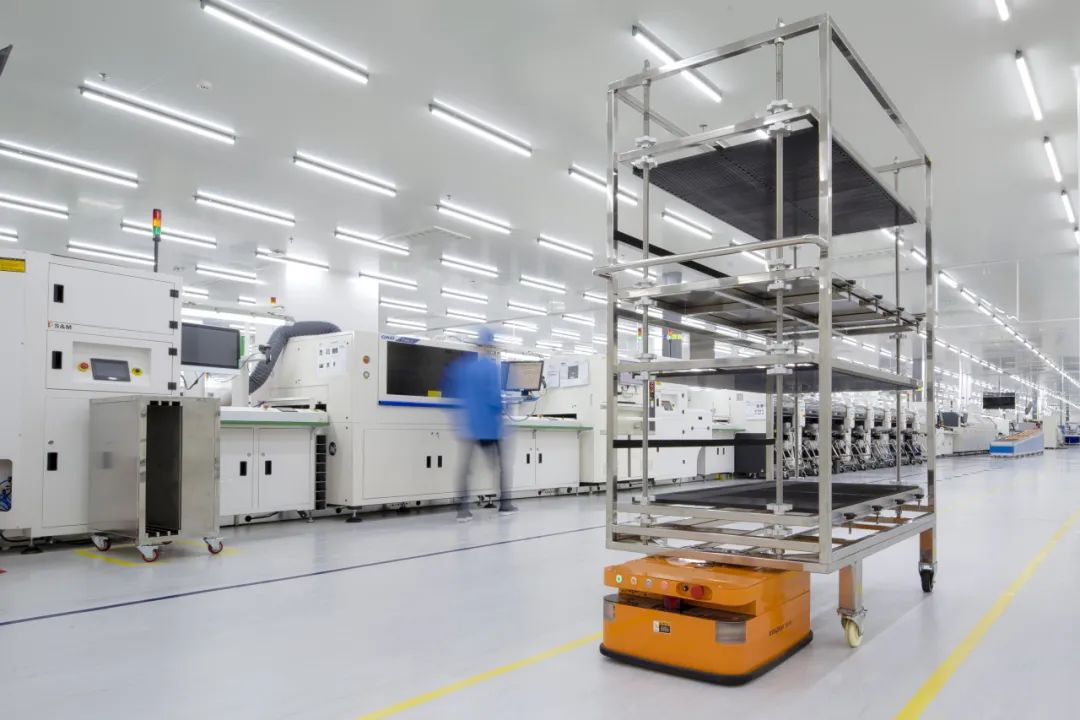
Our specialized supply chain contains approximately 860 upstream and downstream partners. This structure supports GPU sourcing, customized server chassis design, robust networking systems, and highly integrated thermal system components.
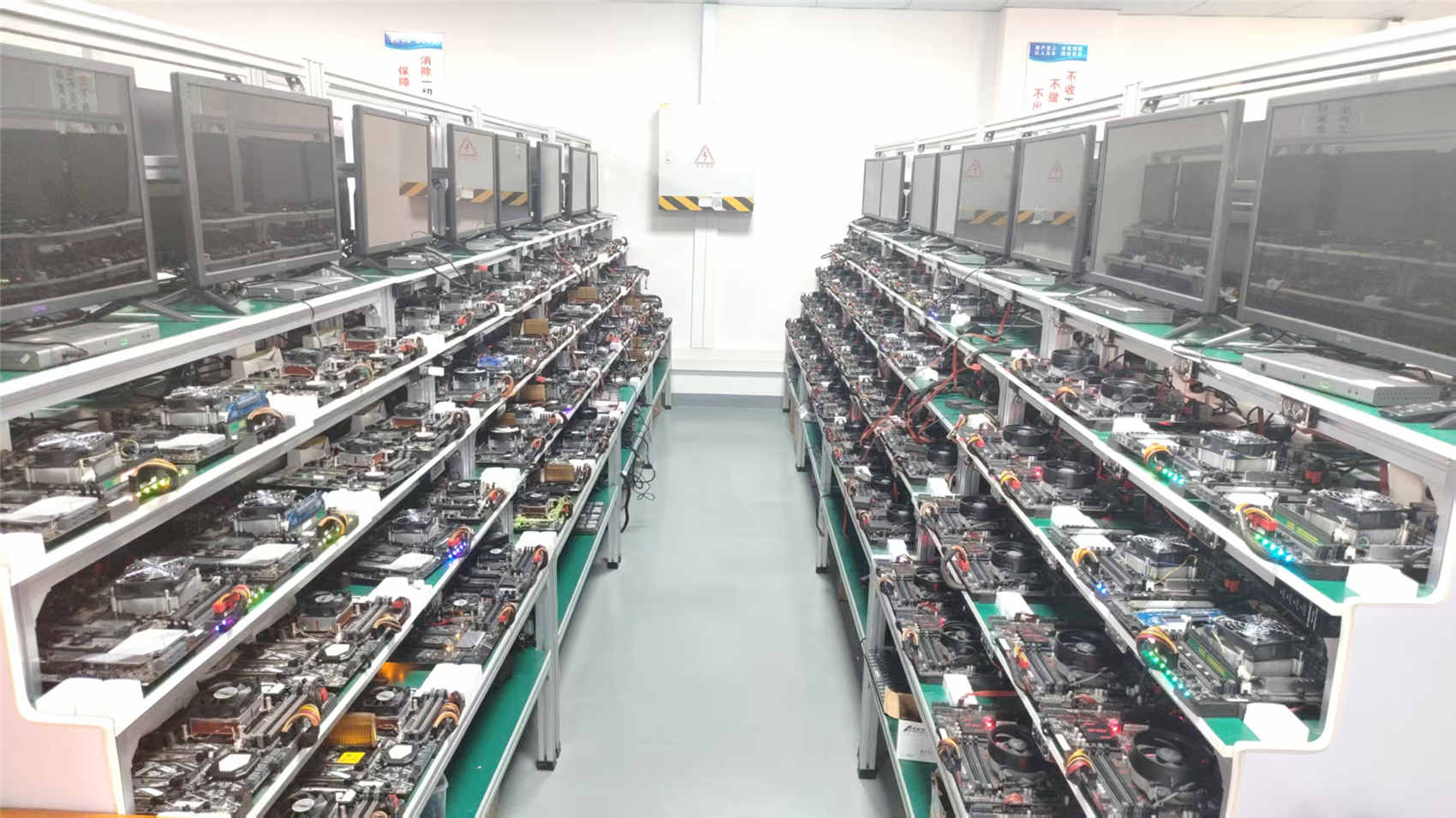
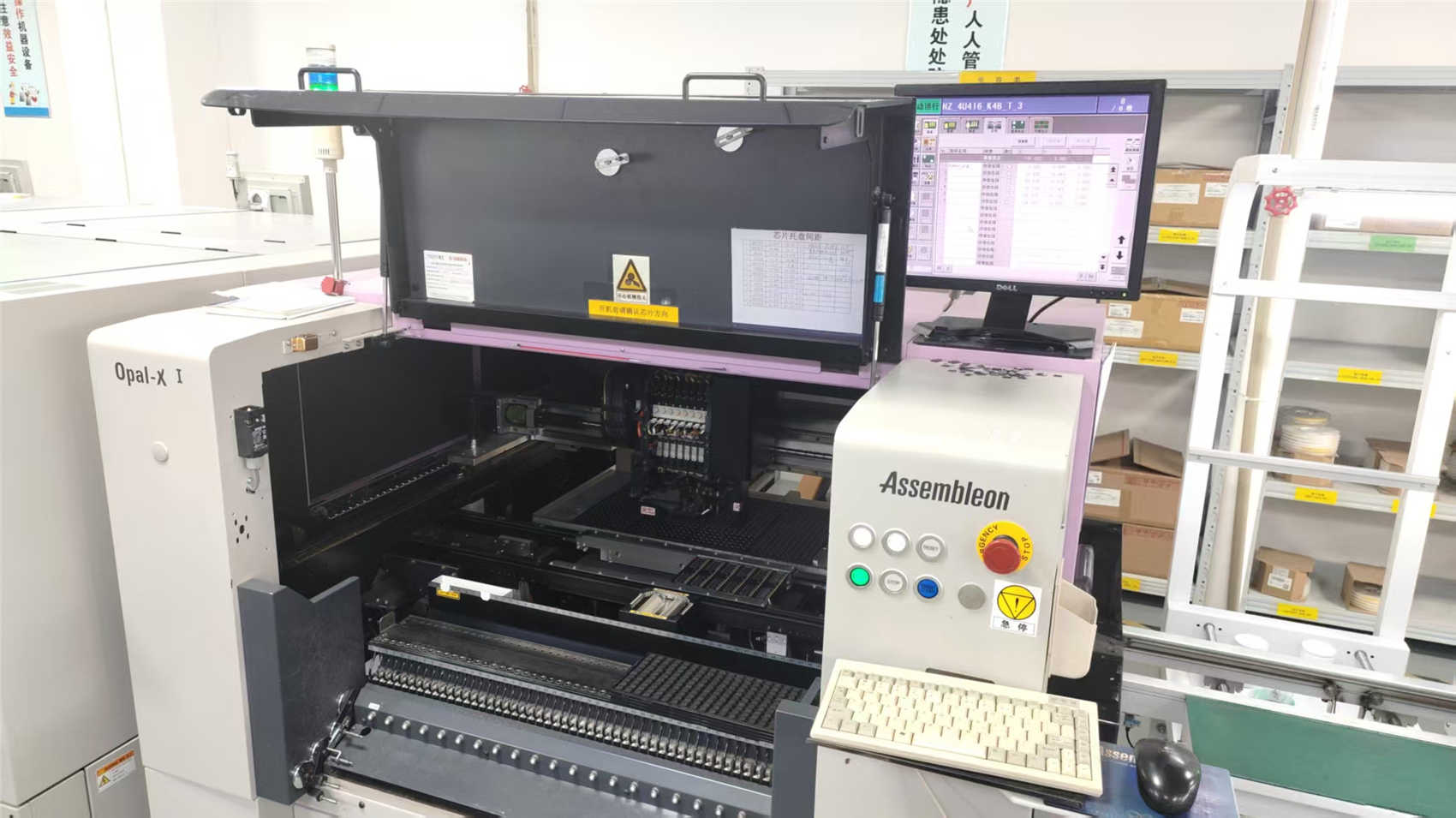
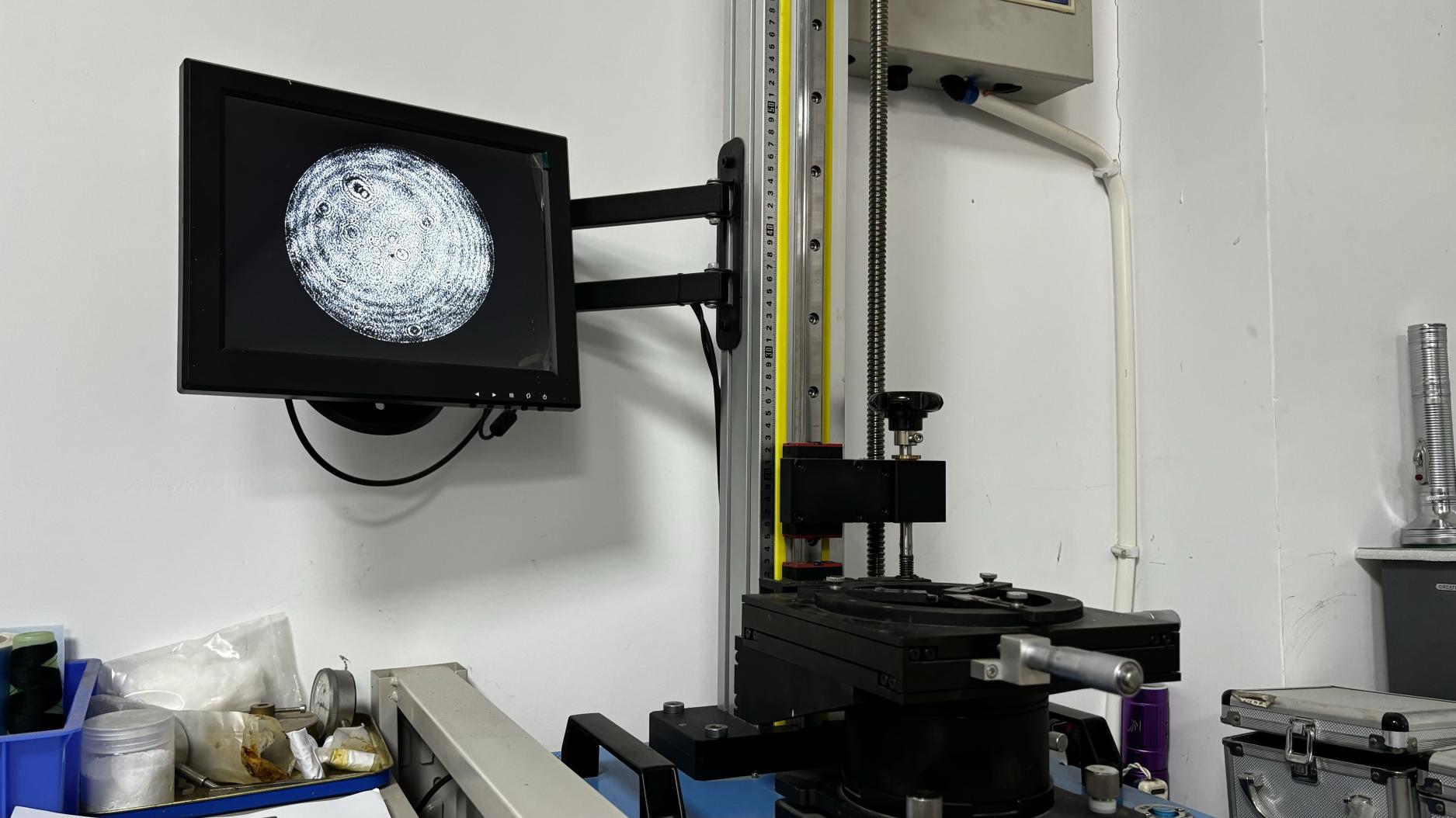
Our 45 dedicated Quality Control professionals enforce a 100% full inspection methodology integrated with random sampling reliability protocols. This system guarantees long-term operational stability under heavy AI training and inference workloads.
Key Quality Control Procedures:


Deployment requirements for cooling infrastructure change based on local environments and regional energy rules. Below is an overview of how we align our custom designs with global deployment configurations:
In cold climates, our designs prioritize outdoor dry cooler economizers. Operators bypass active mechanical chilling for most of the year, relying on external ambient air to cool the liquid loops. This approach drives PUE metrics down to 1.05 and enables localized waste-heat integration for community heating.
High ambient humidity and elevated wet-bulb temperatures present unique cooling challenges. In these regions, closed cooling loop configurations are optimized with anti-corrosion, marine-grade alloys and enhanced condensation-prevention units to handle humid tropical air.
Urban data centers face strict space limits and municipal water regulations. For these environments, we supply zero-water-consumption dry coolers and micro-footprint direct-to-chip CDUs (Coolant Distribution Units) that fit seamlessly within standard rack dimensions.
As chip design heads toward stacked 3D silicon topologies and multi-die chiplet modules, standard flat cold plates will need to evolve. The thermal density of next-generation processors demands a clear technology roadmap:
Integrating boiling processes directly within micro-channels on the processor substrate allows the system to leverage the latent heat of vaporization. This approach achieves heat dissipation rates exceeding 150 W/cm² with minimal fluid circulation energy.
By embedding smart IoT thermal sensors, cooling loops dynamically adjust flow rates, fan curves, and dry cooler speeds in real time based on active computational load. This proactive management prevents thermal spikes and extends hardware lifespan.
Bexora delivers integrated, plug-and-play solutions for high-performance computing setups, including custom liquid-to-liquid CDUs, intelligent manifolds, quick-disconnect couplings, and rear door heat exchangers (RDHx).
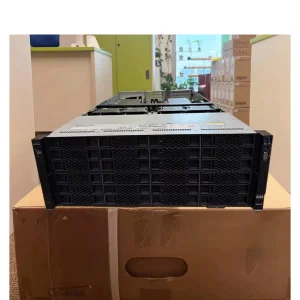
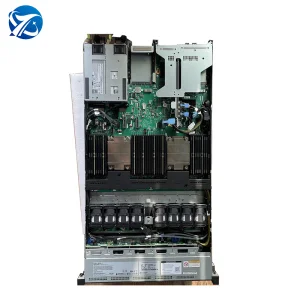
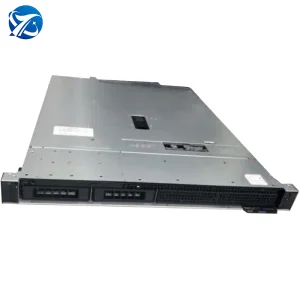
Our thermal products integrate directly with modern server formats (such as the 8U GPU Rack Systems and high-density 1U/2U compute platforms). This co-designed approach guarantees balanced fluid pressure, minimizes risk of fluid leaks, and ensures predictable, stable cooling across all node layouts.
Expert-level answers to common technical, structural, and integration questions.
Water has a thermal conductivity approximately 24 times higher than air, and a specific heat capacity 4 times greater. As compute clusters exceed 40 kW per rack, air cannot transport heat away quickly enough. Liquid loops run quieter, lower PUE metrics, and prevent thermal throttling in high-performance processors.
In single-phase cooling, the dielectric liquid remains fluid while absorbing and transferring heat. In two-phase cooling, the fluid boils when in contact with hot components, turning to vapor. The vapor condenses on a cold element and falls back into the bath. Two-phase systems offer higher thermal performance but require sealed, pressurized tanks.
Smart CDUs monitor ambient dew points in the data center. By adjusting secondary loop temperatures to stay above the current dew point, the system prevents condensation from forming on pipework and electronics.
We provide full OEM/ODM services, including custom cold plate development for specific GPU arrays, tailor-made chassis, integrated secondary cooling manifolds, quick-disconnect kits, and customized firmware settings.
Yes, our systems use high-grade, dry-break quick-disconnect couplings with double shut-off valves. These units prevent fluid escape during hot-swapping or system maintenance.